
Diet and Nutrition
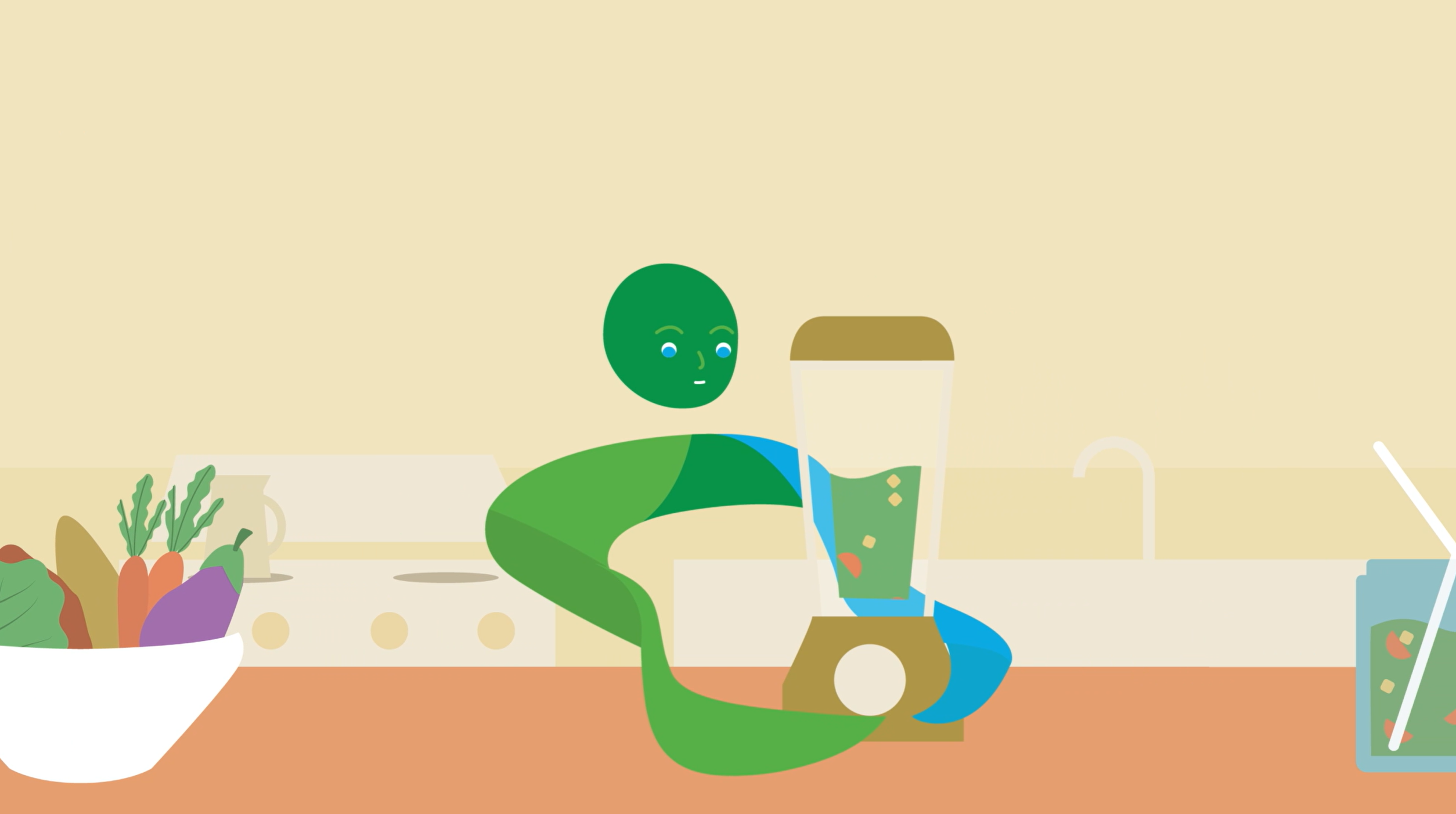
Head and neck cancer may make it hard to eat and drink. This may be because of the cancer itself or side effects of treatment. For example:
- Cancers in the throat may sometimes cause pain and difficulty swallowing.
- Systemic therapies (such as chemotherapy, immunotherapy or targeted treatments) and radiation therapy may change the way food tastes and reduce the enjoyment of food.
- Chemotherapy may make you feel sick (nauseous), cause vomiting or reduce your appetite.
- Radiation therapy may make your mouth dry, give you mouth sores, and make it difficult to chew or swallow.
- Surgery may change your mouth, throat, or teeth and make it hard to chew or swallow.
Even though eating and drinking may be difficult, it is important to keep eating and drinking enough to maintain your weight and muscle strength. Good nutrition helps your body cope with treatment, reduces the risk of infection, supports faster recovery, and helps you stay active and independent.
Who will I see as part of my care?
A dietitian is an expert in food and nutrition who supports and educates people about their nutrition, diet and tube feeding. They will help you develop a plan so that you receive all the nutrients you need. During your appointment, they may also give you tips about how to make eating easier, stay well-hydrated, and how to enjoy your food to help you avoid unplanned weight and muscle loss. Further information on diet and nutrition is available on the Head and Neck Cancer Australia website.
A speech pathologist is an expert in speech and swallowing. They can teach you ways to make swallowing easier before, during and after head and neck cancer treatment. Further information on speech, voice and swallowing is available on the Head and Neck Cancer Australia website.
Who will I see as part of my diet changes during treatment and recovery
During cancer treatment and recovery, your diet will need to be adapted to cope with your body’s changing nutritional needs. For example, during treatment more protein and energy (calories) are needed than usual to avoid unplanned weight and muscle loss and help your recovery.
- If you are not already seeing a dietitian, ask your doctor, nurse or care team for a referral to one that specialises in head and neck cancer.
- Dietitians can give you practical suggestions on how to manage your food intake to stay well-nourished during and after treatment.
- You may also be referred to a speech pathologist if your mouth or throat is affected by cancer or its treatment.
- Speech Pathologists can assist you with strategies to make it easier to swallow, such as choosing food that causes less discomfort when swallowing.
- Some treatments can change the taste or smell of food, or the feeling of food in your mouth, making it difficult to eat your usual food. If this occurs, speak to your dietitian or other members of your cancer care team, who can discuss strategies to help you stay well nourished.
- In some cases, you may need a feeding tube to help you get enough nutrition, fluids (hydration) and medications during treatment and recovery. If this is the case, your doctor, dietitian and nurse will talk to you about what is involved. Further information on feeding tubes is available on the Head and Neck Cancer Australia website.
- Feeding tubes are usually temporary, until you recover enough so that you can eat more. Remember, a feeding tube is a common part of treatment for many people with head and neck cancer and helps ensure you get the nutrition you need for treatment and recovery.
- Some people may need feeding tubes for longer periods.
- In most cases, difficulties with eating and drinking get better after treatment has finished although it may take some time for the side effects to settle.
Suggestions for staying well nourished
- Eat small meals or snacks more often if you have trouble eating a full meal.
- Eat enough protein and energy (calories) each day to keep your muscles strong, maintain your weight and support recovery.
- Protein-rich foods help protect and rebuild muscle. Include foods such as meat, chicken, fish, eggs, milk, yoghurt, cheese, legumes, tofu and nuts.
- Energy-dense foods include olive or canola oil, avocado, butter or margarine, cream, nut spreads, sauces, gravies and dressings.
- You can also enrich meals by adding milk powder, cheese, cream, oil or butter to boost protein and energy together. Snacks such as yoghurt, smoothies, custard, dips with bread or crackers, or egg/cheese sandwiches are also good choices.
- Some foods, like dairy products, nuts and smoothies, provide both protein and energy, making them especially useful during treatment.
- Try some light physical activity, such as walking or gentle strength exercises, to help keep your muscles strong and improve your appetite.
- Before starting any new exercise, ask your doctor or cancer care team if you would benefit from seeing an exercise physiologist or physiotherapist. They can help design a safe, personalised exercise plan to support your strength and recovery during and after treatment.
- If you have a sore mouth or throat, choose softer foods and drink fluids that are high in energy (calories). You may also want to avoid foods that irritate such as citrus, vinegar, chips or toast.
- If you have difficulty swallowing, your speech pathologist may give you advice on which foods have the most suitable texture to help make swallowing more comfortable.
- Check with your doctor or dietitian before taking vitamin or mineral supplements or making other changes to your diet.
Questions to ask your cancer care team
- Will my cancer treatment affect what I can eat and drink?
- Should I be on a special diet?
- Should I avoid any particular foods or drinks during treatment?
- How can I avoid losing weight and muscle during treatment?
- How long will my mouth and/or throat side effects take to heal?
- Do I need to change my diet after treatment ends?
- Should I take vitamins or other supplements?


