
Facial Prosthetic Funding: Closing a Critical Gap in Care
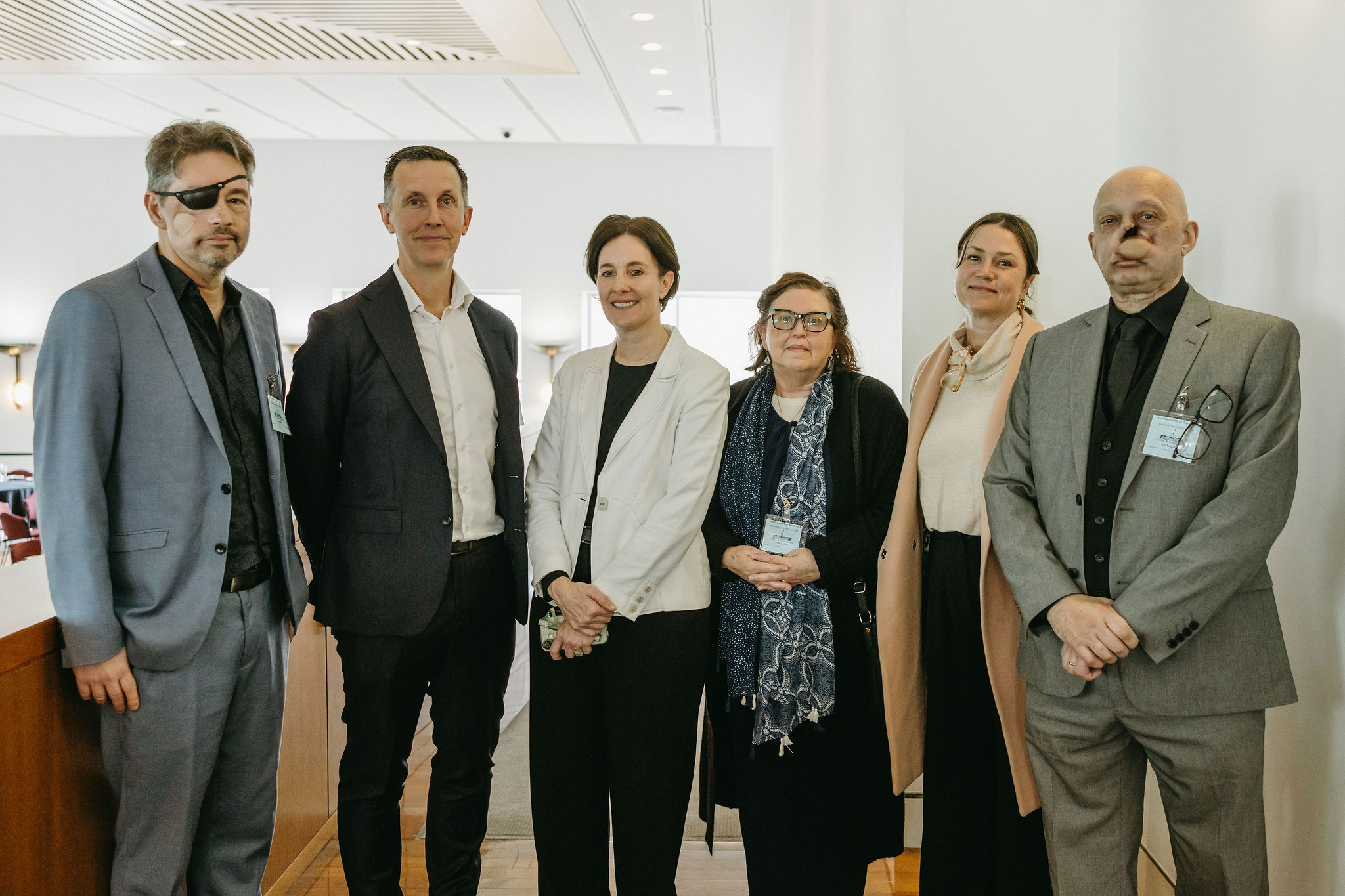
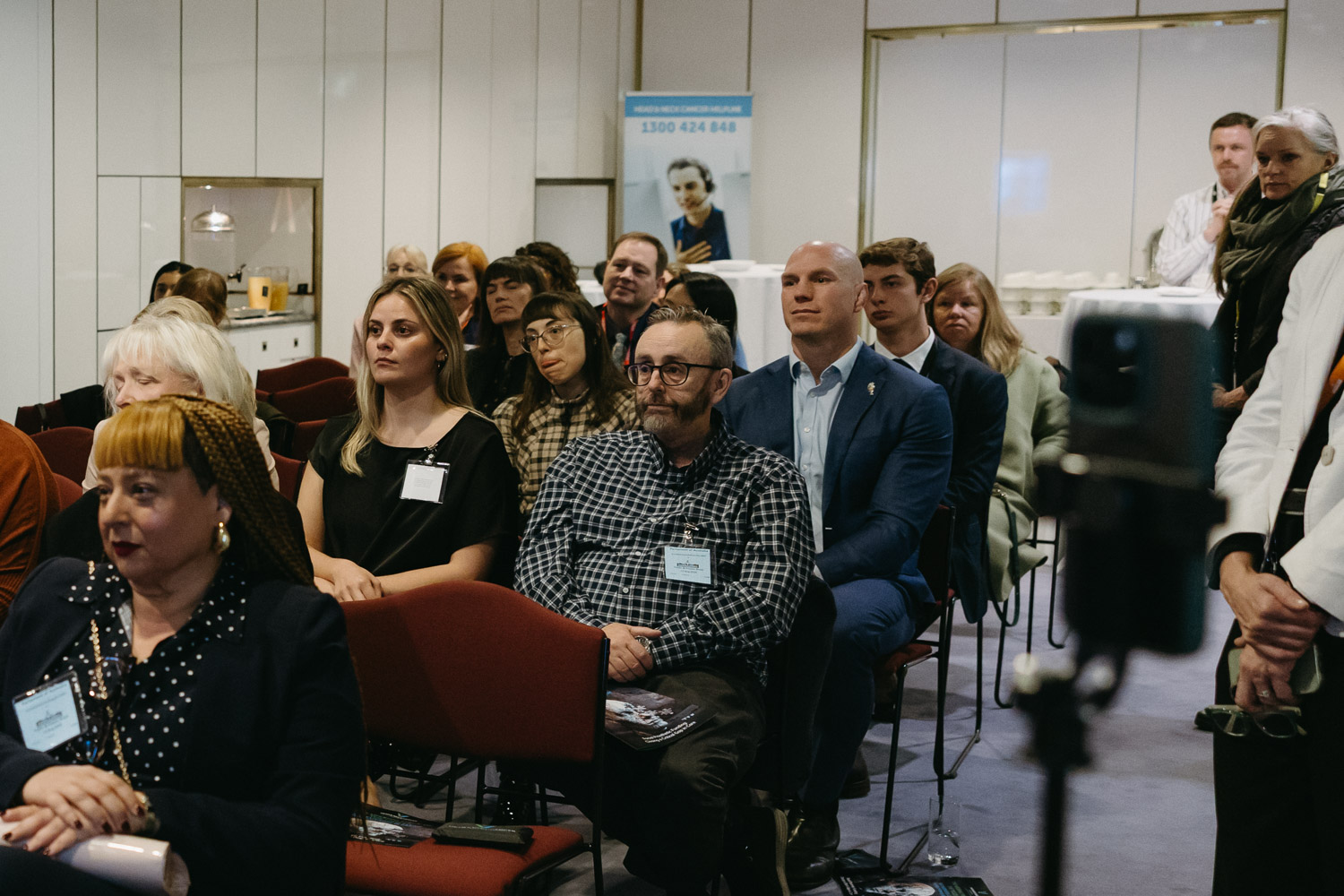
Wednesday, 12 August 2026, HANCA brought together patients, clinicians, policymakers and advocates at Parliament House to shine a light on the missing piece of the puzzle in Head and Neck Cancer care.
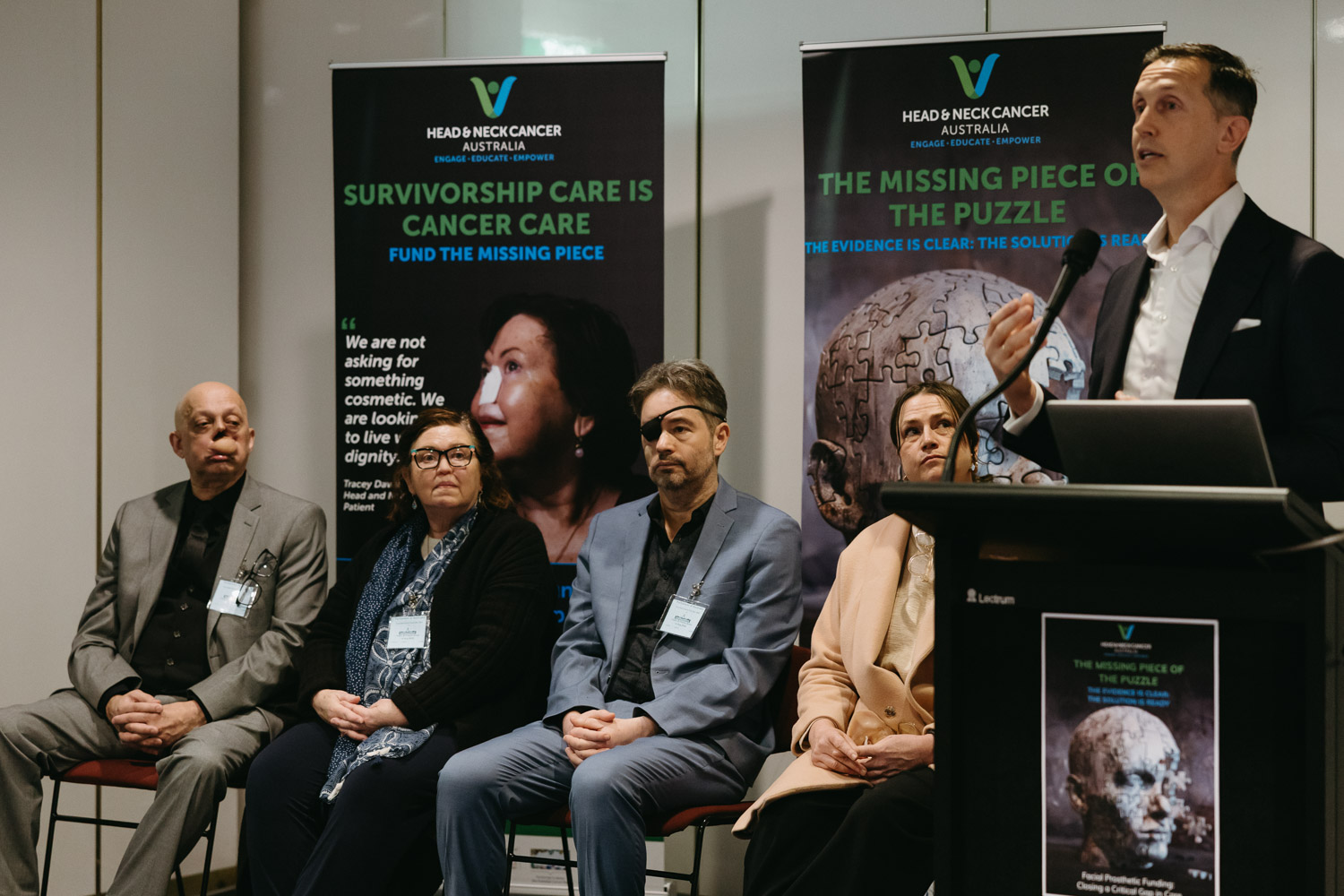
Our panel discussion, led by Julie McCrossin AM, was incredibly powerful, with patients sharing their experiences firsthand and highlighting the urgent need for better access to external facial prosthetics nationally.
As patient advocate Chris Sequeira from Sydney so aptly put, the issue is “as plain as the nose on your face.”
We were grateful to be joined by parliamentarians from across the political spectrum, alongside representatives from the Australian Government Department of Health, Disability and Ageing, Cancer Australia, the Australian and New Zealand Head & Neck Cancer Societyy, Australian Dental Association, Cancer Council Australia, ASOHNS - Australian Society of Otolaryngology Head and Neck Surgery Head and Neck Surgery and leading Head and Neck Cancer clinicians from across Australia.
Attendees also heard from HANCA Board Chair and Head and Neck Surgeon, Dr Matthew Magarey, reinforced that facial prosthetics are not 'cosmetic' or a 'nice finishing touch' but an essential part of recovery and survivorship for anyone who has had part of their face removed as a result of cancer.
Dr Magarey also reinforced that the evidence has been gathered and the need is understood following the recently published KPMG Independent review of cancer prostheses equity in Australia. What is missing now is a commitment from the Federal Government to close this significant funding gap and fund the missing piece of the puzzle.
The momentum continues, with strong media coverage across The Canberra Times, Nine News and ABC Radio, helping to bring this important issue to a wider audience. We look forward to continuing conversations with the Department of Health to secure funding for a national External Facial Prosthetic Funding Scheme.
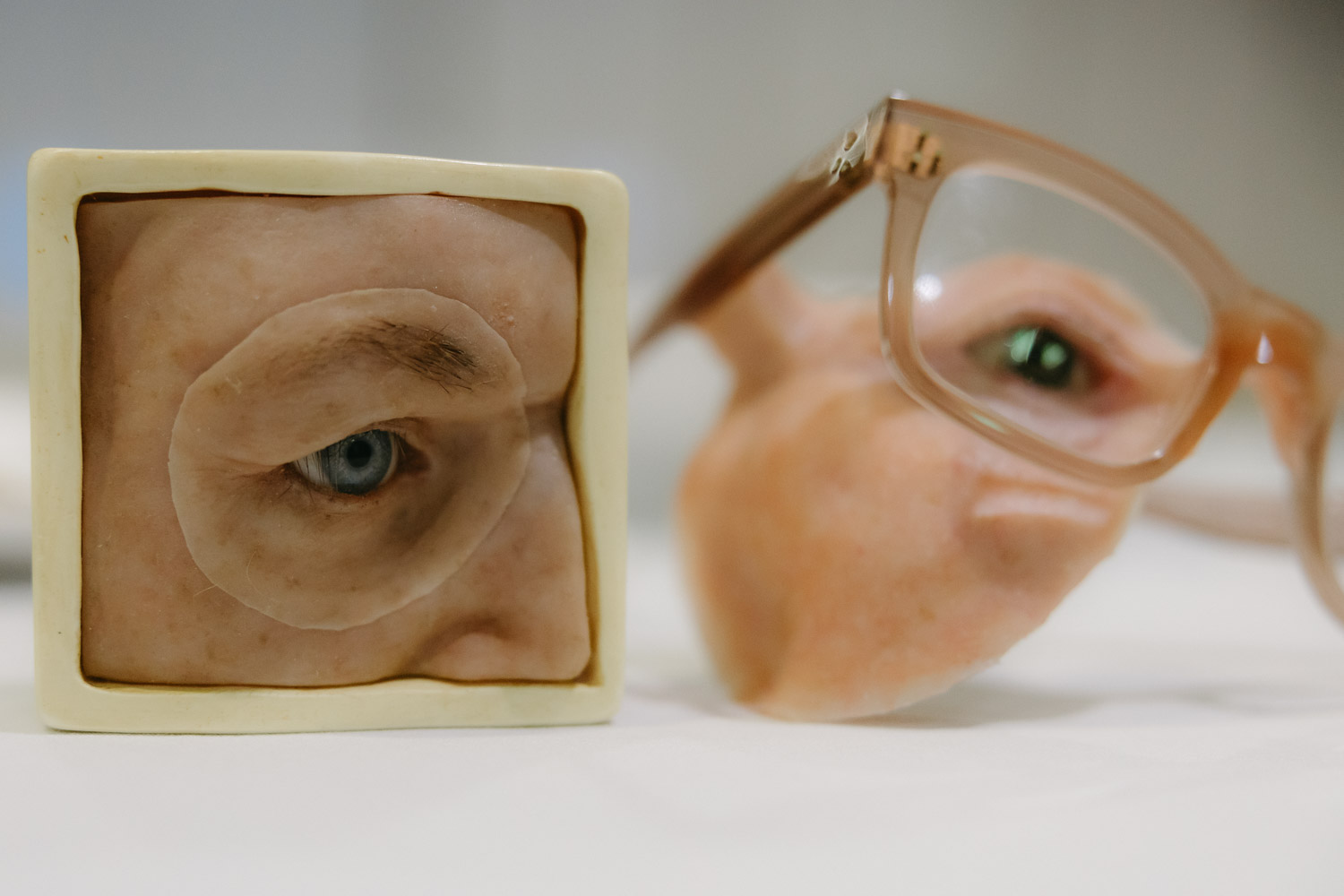
Head and Neck Cancer treatments are among the most complex in cancer care. Surgery can result in the loss of part of a person's face, including a nose, eye or ear, that cannot be reconstructed surgically.
Facial prosthetics are an essential part of recovery and survivorship care helping people to.
Regain confidence and self-esteem
Restore speech, function and quality of life
Return to work, relationships and community participation
Protect sensitive tissues and support ongoing rehabilitation
Achieving equity in cancer outcomes across tumour types and population groups is a key objective of the Australian Cancer Plan. Yet Australians who require an external facial prosthetic after cancer treatment remain without access to a nationally consistent funding scheme.
In 2025, the Australian Government commissioned an independent review by KPMG examining access to facial prosthetic services across Australia.
Published in May 2026, the review confirmed significant gaps in the current system, finding that people requiring facial prosthetics face:
High out-of-pocket costs
Unequal access depending on where they live
No nationally consistent funding pathway
Gaps in workforce capacity, accreditation and training
Inconsistent access to specialist services and
long-term support
The review also identified practical options to improve access and create a more equitable system, providing a clear foundation for government action.
The evidence has been gathered. The need is understood. What is missing now is a commitment from the Federal Government to ensure Australians who lose part of their face to cancer can access the prosthetic care they need, regardless of where they live or their financial circumstances.
Four immediate actions to close the facial prosthetics gap
Fund facial prosthetics nationally.
Recognise facial prosthetics as essential healthcare.
Ensure equitable access for all Australians.
Build a sustainable specialist workforce.
HANCA is calling for a four-year Commonwealth investment of $25.13 million to establish Australia's first External Facial Prosthetic Funding Scheme. This targeted investment would deliver:
Equitable access to new and replacement facial prosthetics
Direct provider reimbursement so patients do not pay upfront
Clear referral pathways
National accreditation, training and workforce development
Strong governance, accountability and evaluation.
Read The Missing Piece of the Puzzle: Facial prosthetics funding
Use our letter template to Write to your MP
Media coverage
Watch the livestream recording of the event

