Teeth and Mouth Care

This information aims to help you understand how the treatment of head and neck cancer may affect your mouth. It may help answer some of your questions and help you think of other questions that you may want to ask; it is not intended to replace advice or discussion between you and your cancer care team.
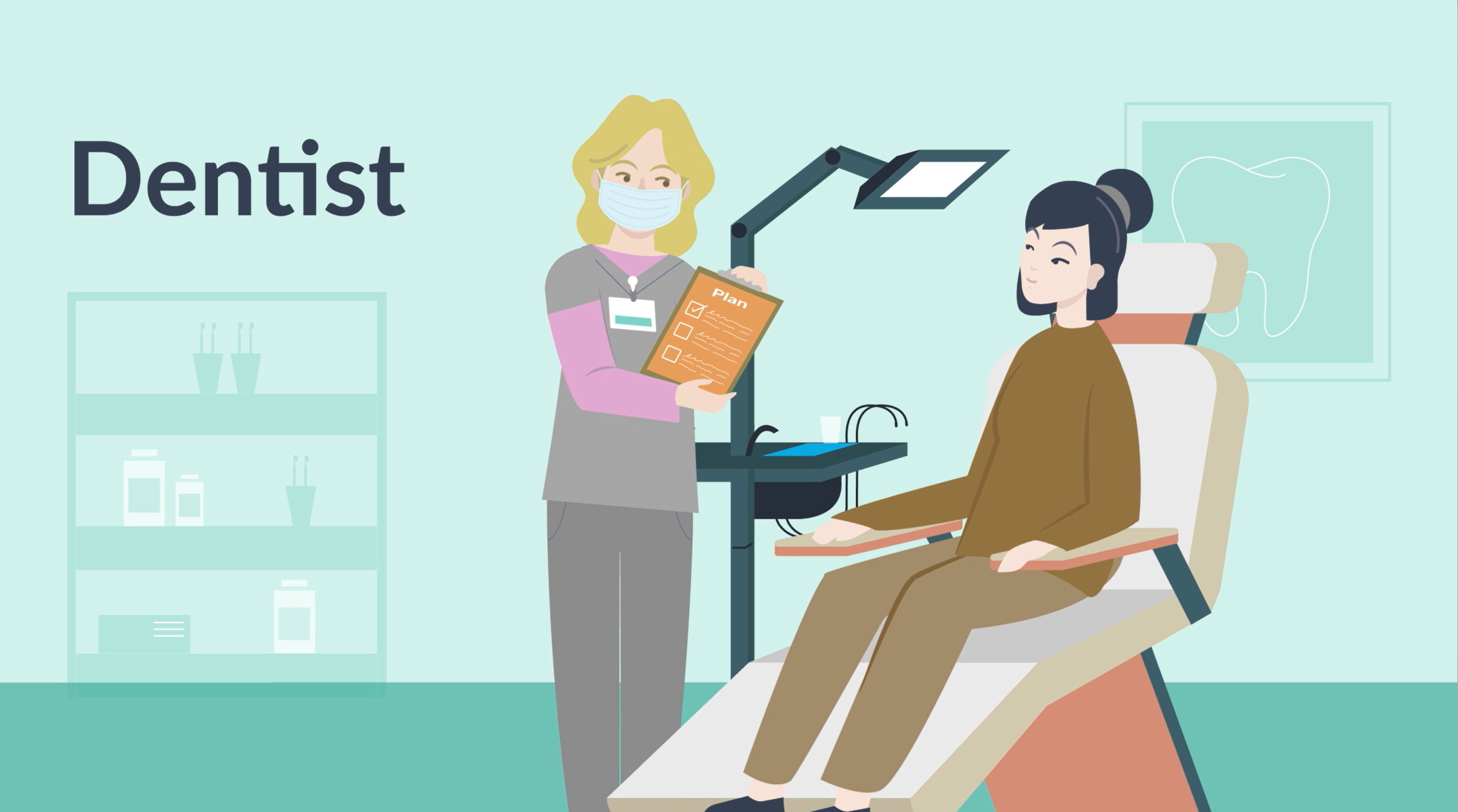
Your cancer care team may recommend a pre-treatment check-up with your regular dentist (or refer you to a dentist that works with the multidisciplinary team), to check your mouth and teeth, discuss side-effects from head and neck cancer treatment and provide you with information on how you may manage these side effects.
How Head and Neck Cancer May Affect Oral Health
Treatments for head and neck cancer, especially radiation therapy, can cause side effects. These may arise early during active treatment, immediately after treatment finishes or many years later. For some people, some or all these side effects may persist for life.
Side effects may affect the teeth, muscles of the jaw, lining of the mouth or jawbone, and include:
Dry mouth (xerostomia)
If the salivary (spit) glands are included in the radiation treatment area, the quality and quantity of saliva produced after radiotherapy may be permanently affected. While a dry mouth can be uncomfortable, it also increases the risk of fungal infections (oral thrush), risk of oral ulcers from sharp teeth, difficulty eating certain foods such as spicy or acidic foods, and reduces the ability to create a suction need to hold dentures in place. A dry mouth can also affect your ability to chew, swallow and taste some foods more difficult. The greatest risk with a dry mouth is that it increases the risk of tooth decay and gum disease.
Tooth decay
Saliva is the body’s natural defence against tooth decay. Without adequate quality and quantity of saliva to wet the mouth, wash away food and neutralise the acids produced by plaque, the teeth are at a greater risk of rapid and aggressive tooth decay.
An increase in mouth ulcers or inflammation (mucositis)
Cancer treatments (radiotherapy and chemotherapy) damage the tissues that line the mouth and throat. Initially the damage causes inflammation, and then eventually ulceration. The ulceration often results in pain or a burning sensation and may increase the risk of infection of these soft tissues. Sometimes this ulceration makes it difficult to swallow, and you will need pain medications and numbing mouthwash to relieve the pain and help you eat comfortably. Mucositis usually heals a couple of months after radiotherapy and/or chemotherapy treatment has ended.
Taste disturbance
Cancer treatments (radiotherapy and chemotherapy) may reduce or alter your taste, sometimes causing a ‘metallic’ taste. This taste changes usually recover after treatment is completed but for some people it may take many months to return and for some the ability to taste certain foods doesn’t recover in the same way. If your work depends on your ability to taste food (e.g. you are a cook or a winemaker) you should bring this to the attention of your treating oncologist.
Difficulty opening your mouth fully (trismus)
Sometimes surgery and/or radiotherapy may make it difficult to open your mouth wide. This may be permanent or temporary and may limit your ability to eat normal food increasing the risk of malnutrition. Trismus can also affect your ability to speak and clean your teeth and for your dentist or hygienist it can be more difficult to provide dental care.
Bone death (Osteoradionecrosis)
Radiotherapy to the jawbone, may over time cause a reduced blood supply resulting in necrosis (death) of the bone. For some people this may occur several months after completing radiotherapy, and for some people many years later. The most common cause following a dental extraction, and as a result, special care needs to be taken after radiotherapy if you are having a dental extraction or a surgical procedure to the jaw e.g. dental implant placed. The most important way to prevent this complication is by looking after your mouth and teeth, maintaining good oral hygiene and seeing your dentist regularly.
These side effects may cause pain or discomfort, or make it difficult to eat, speak or swallow. It is important to take care of your teeth and mouth during head and neck cancer treatment to reduce the risk of infection.
Where Can I Find Support?
A dentist is an important member of the cancer care team, and is usually involved before, during and after head and neck cancer treatment. Many people only see their dental practitioner when they have a problem, but after radiotherapy is very important to prevent oral complications and address them as early as possible. By having regular dental and oral check-ups, side effects can often be prevented or reduced.
Before treatment: It is a good idea to have a dental check-up. Your dentist (or a dentist that works with the multidisciplinary team) will check the health of your mouth and teeth and give you an information on how to keep your mouth healthy during treatment. Sometimes teeth that are heavily decayed, infected or loose due to periodontal (gum) disease, may need to be removed before radiation therapy to reduce the risk of infection or osteoradionecrosis after radiotherapy.
During treatment: Your dentist will look out for any mouth side effects that you may have.
After treatment: It is very important to visit the dentist regularly for a check-up, as the side effects of radiation therapy such as reduced saliva flow, can increase your risk of dental problems such as decay and gum disease, lifelong. How often you need to see your dentist for a dental check-up will depend on your individual risk of dental problems. For some people seeing a dentist more frequently (e.g. every 4 months), may be necessary to reduce their risk of dental problems.
Keeping Your Teeth and Mouth Healthy
Good oral and dental hygiene at home is important to maintaining a healthy mouth and teeth. Tooth decay is much faster and more severe after radiotherapy. The following are things that you can do help keep your teeth and mouth healthy:
- Drink plenty of water and avoid sugary and carbonated drinks for example soft drinks, energy drinks, cordial, as even the sugar-free drinks can be harmful to the teeth.
- Use dry mouth products such as dry-mouth gels, sprays, sugar-free mints, oils, and a barrier on the lips such as lanolin is also helpful to prevent dryness.
- Gently brush your teeth, gums and tongue with a soft toothbrush after every meal and at bedtime.
- Gently floss or clean between your teeth every day.
- Your dentist may recommend that you use a toothpaste with a higher concentration of fluoride than those available in the supermarket.
- Use an alcohol-free mouthwash or sodium bicarbonate mouthwash by adding 2 teaspoon bicarbonate/baking powder and a pinch of salt to 500mL water.
- Reduce intake of foods that may speed up tooth decay, such as those high in sugar or acid content. This is very important between mealtimes. Speak with a dietician if you need some help with maintaining a high calorie diet which has a reduced sugar content.
You may also like to watch Mouthcare Video for Head and Neck Cancer Patients.
Tooth Extractions
Your dentist may recommend taking out teeth that are broken, infected, or decayed. This is because unhealthy teeth may cause problems after radiation therapy such as osteoradionecrosis (bone death). These teeth are usually removed before the radiation therapy starts because bone and gum that has be radiated may not heal after a tooth extraction.
Importance of Ongoing Dental Care
Your dental practitioner plays an important role in your treatment for head and neck cancer. Side effects can often be prevented or reduced through regular dental check-ups before, during and after treatment. After your treatment, you should visit your dental practitioner every 3 months for a check-up because the side effects of radiation therapy on your teeth can be long lasting. It is very important your dental practitioner knows about your head and neck radiation treatment. There is a risk of complications with dental procedures such as extractions and implants, and consultation with a specialist is strongly recommended prior to such procedures.
Questions to Ask Your Doctor
- Will my cancer treatment affect my oral health?
- Do you think I would benefit from seeing a dentist?
- What can I do to improve my oral health?
- Should I be using special products to improve my oral hygiene?
- Will changes to my oral health be permanent?
- Will I need any tooth extractions?